

A student who rarely misses school suddenly begins arriving late. Another who once participated eagerly grows quiet. A third is performing well academically but seems disconnected from classmates. None of these changes tells us everything. Each may be a reason to pay closer attention.
Schools collect an extraordinary amount of information, from attendance and course progress to learning goals and teacher observations. The opportunity is not simply to collect more. It is to connect what schools already know with the relationships, context, and professional care that help students thrive.
Seeing patterns, not labels
A missed assignment alone rarely tells the full story. Repeated absences alongside falling performance might suggest that something has changed, but the data cannot tell an educator whether the cause is illness, transportation, caregiving responsibilities, difficulty with the material, or something else entirely.
This is why information should prompt questions rather than conclusions. What has changed? What do we know from conversations with the student? What strengths and supports are already present? What might the family want us to understand?
Used thoughtfully, attendance and academic patterns can help adults notice concerns sooner. Used carelessly, the same information can harden into labels. Students are not “at risk” as an identity. They are people encountering circumstances and challenges that may require different forms of support.
Notice strengths as carefully as struggles
Whole-child support is not only about identifying problems. Imagine a student whose written assignments remain inconsistent but whose oral explanations show deep understanding. Or a student whose attendance improves steadily after a difficult semester. Those are meaningful signals too.
Teachers’ observations, student work, and conversations can reveal capabilities that standardized measures overlook. Schools can recognize progress, build confidence, and offer learning opportunities that draw on what students already do well.
A more complete picture should create possibilities, not narrow them.
Bring information together around a human conversation
When relevant information is scattered across spreadsheets, inboxes, and separate systems, patterns can be difficult to see. A joined-up view can make it easier for a teacher, counselor, or support team to understand what is happening and coordinate a response.
But coordination also requires restraint. Not every adult needs access to every detail. Sensitive information needs appropriate protections, clear permissions, and careful interpretation. Data should be shared for a legitimate educational purpose, not simply because it is available.
A helpful team conversation might begin with three questions: What are we noticing? What additional context do we need? What supportive action can we take and revisit?
Those questions keep the focus on people rather than scores.
Students and families are partners
A student may explain that recent absences followed a family move. A caregiver may identify a barrier the school never would have seen in its records. An educator may learn that a quiet student feels more comfortable contributing in a smaller group.
These perspectives do not sit outside the data story; they complete it. Seeking them requires trust, accessible communication, and a commitment to listening without judgment.
Schools also need to be mindful of differences in language, disability, culture, and access to technology. An apparently simple communication process may be inaccessible to some families. Inclusion means testing assumptions and offering more than one route into the conversation.
Turn insight into support
The real test of information is whether it helps a school act. That action may be a check-in, tutoring, an attendance plan, enrichment, a referral to an appropriate support professional, or simply recognition of a student’s progress.
Then comes the essential final step: follow up. Did the response help? What changed? What does the student say now?
Every student has a story that numbers alone cannot tell. Used with humility and compassion, school data can help educators notice more, ask better questions, and respond with greater care.
Connect the information, keep the student at the center
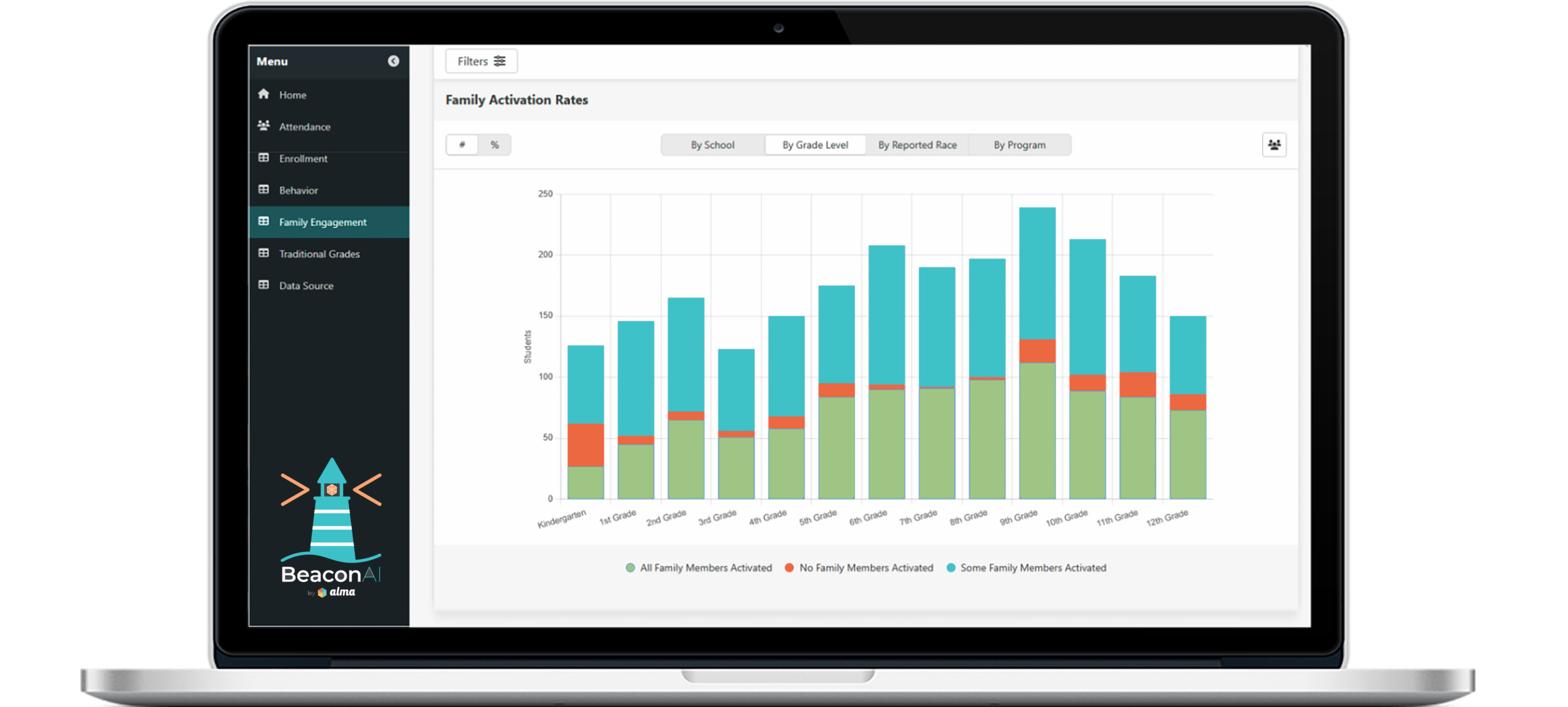
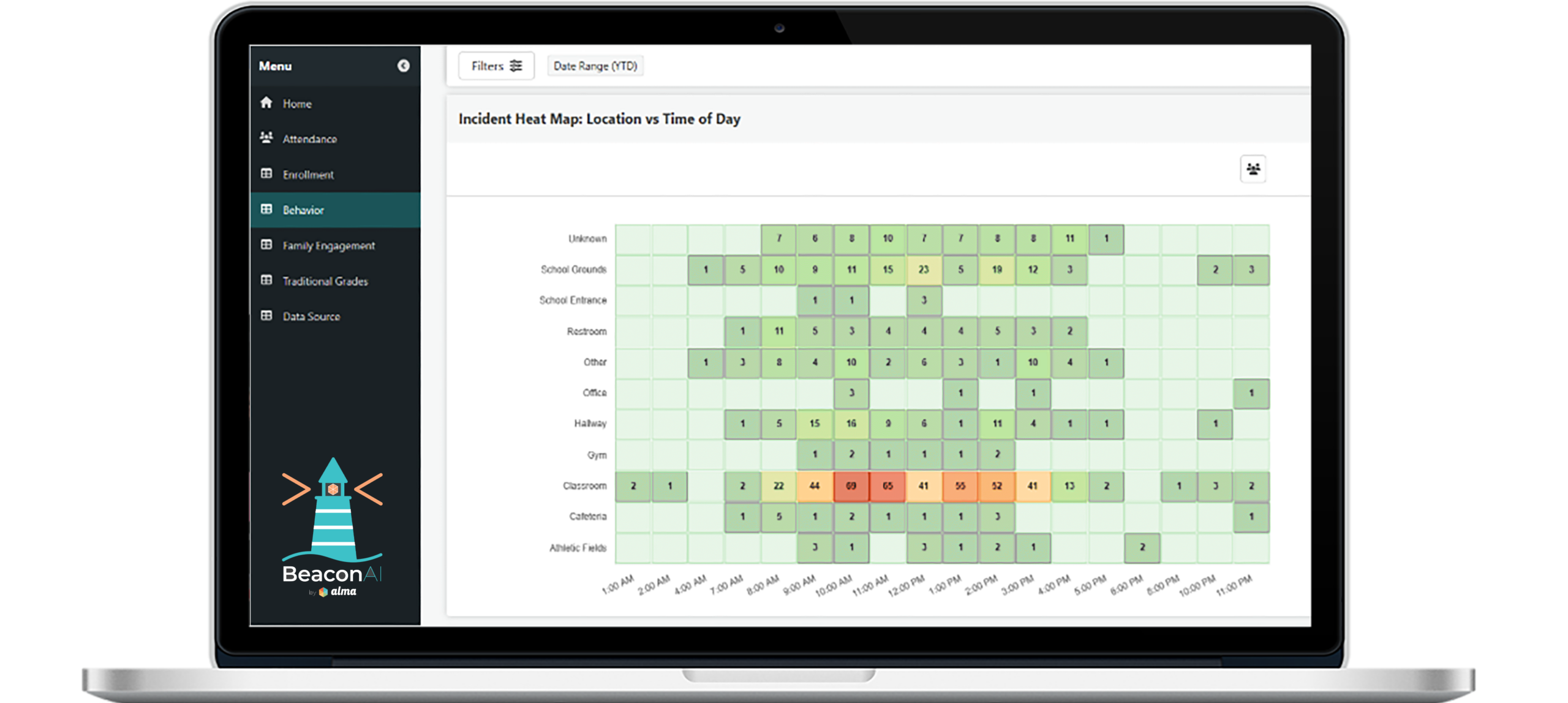
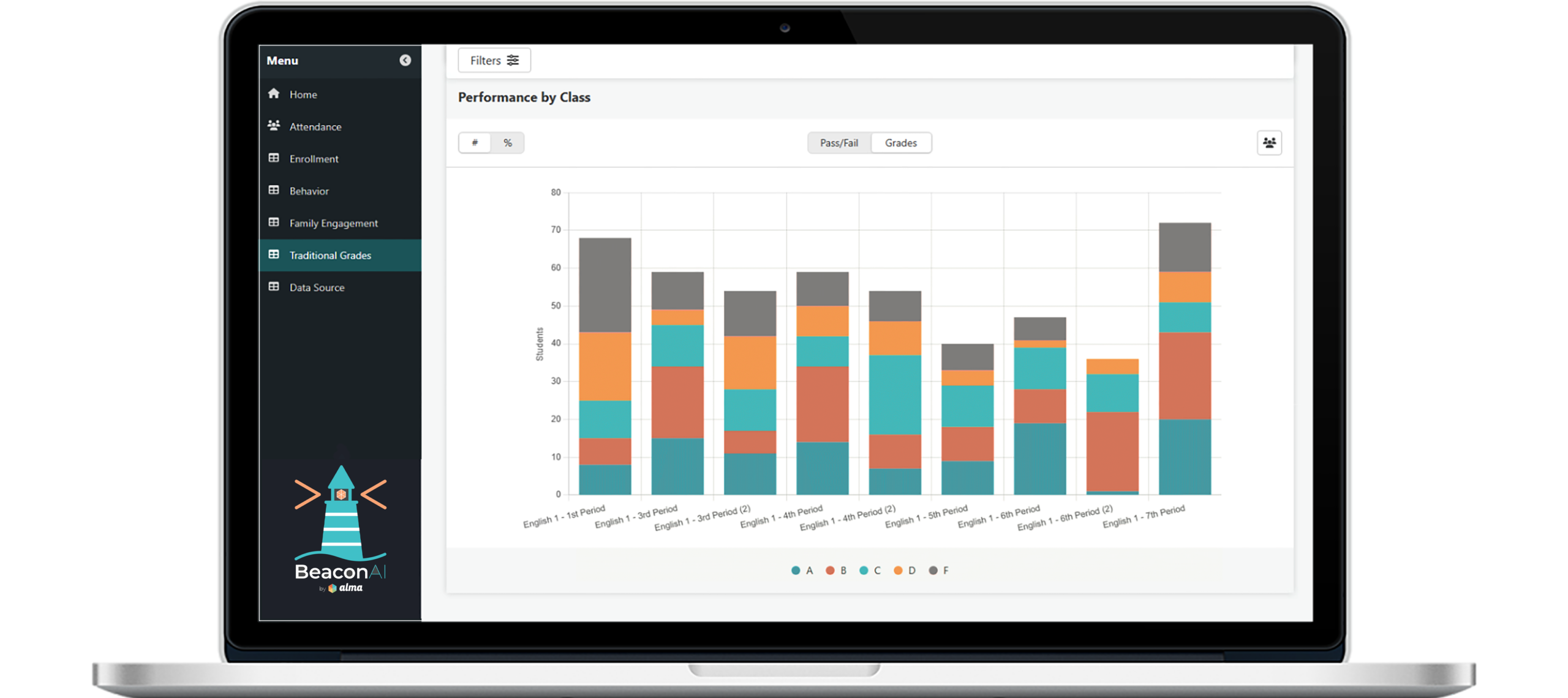
Alma brings attendance, academics, and student information together, with Beacon AI designed to help educators surface useful insights. See how connected information can support more informed, human-centered decisions. Schedule your free customized tour of Alma.
About Alma Technologies, Inc.
Alma is the connected education platform serving independent schools, charter schools, districts, and education organizations across the United States and around the world. Designed specifically for K-12 education, Alma brings together student information, teaching and learning, enrollment, communications, payments, analytics, human-centered AI, and more within one intuitive platform. Designed to master the complexity of organizations of every size, Alma connects the full K-12 data journey, from student to state. Alma supports education organizations serving more than six million students.