


A student earns a B in mathematics. What does that tell us? Perhaps they understand fractions but struggle with equations. Perhaps they made remarkable progress after a difficult start. Perhaps their assignments were consistently completed, even when their understanding was uneven. One letter carries all those possibilities, yet explains almost none of them.
Grades have a practical purpose. They summarize performance, help schools communicate expectations, and give families a familiar reference point. But when a summary becomes the entire story, important dimensions of learning disappear. The challenge is not to abolish grades. It is to ask what else students, teachers, and families deserve to know.
What a single grade leaves out
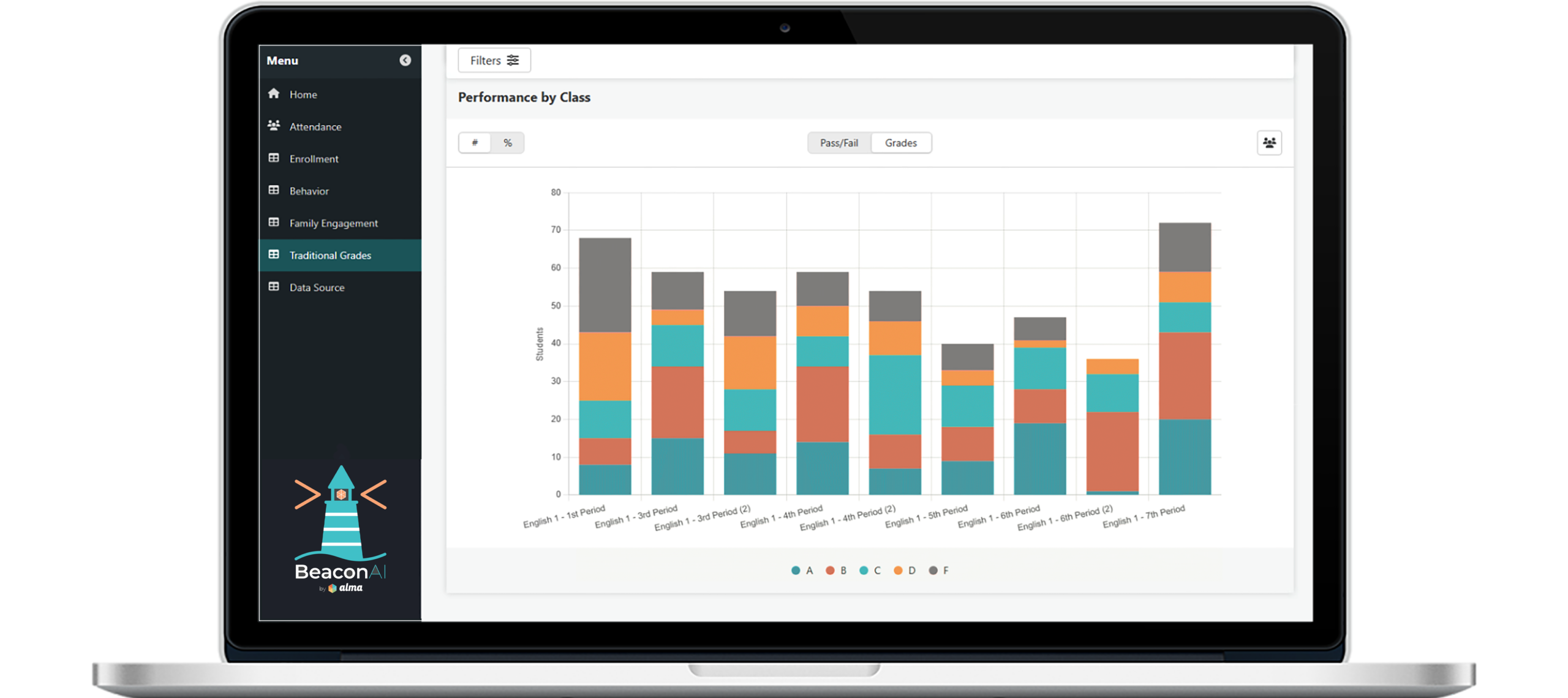
A traditional grade can combine test results, homework, participation, late penalties, and extra credit. Depending on local policy, the resulting average may reflect knowledge, work habits, and circumstances in different proportions. Two students with identical marks may have very different needs. One could be ready for enrichment; the other might need help mastering a foundational concept.
That matters because useful assessment should do more than describe yesterday. It should inform what happens tomorrow. If an educator can see precisely which skills have been mastered and which require more practice, the next instructional decision becomes clearer.
Making growth visible
Standards-based assessment offers one way to sharpen that picture. Instead of relying only on an overall course average, it looks at progress against defined learning goals. A student might demonstrate strong comprehension of a text while continuing to develop the ability to support an argument with evidence. Those distinctions provide a much more helpful starting point for feedback.
Mastery-based approaches add another useful idea: learning is not always linear, and the first attempt should not necessarily be the final word. When students have opportunities to practice, receive feedback, and demonstrate improved understanding, assessment can recognize growth rather than simply preserve a record of early difficulty.
No approach is automatic or universally right. Clear rubrics, consistent teacher expectations, accessible explanations, and sensible workloads matter more than the label attached to a grading system. Assessment practices must also be fair to students with different learning needs and different levels of support outside school.
Feedback students can act on
Consider the difference between “72% on the writing assignment” and “Your argument is clear; now strengthen it with evidence from the text.” The first is a result. The second suggests a path forward.
Narrative feedback, work samples, student reflection, and conferences can add meaning to numerical measures. They also invite students to participate in understanding their own learning. What am I doing well? What is still difficult? What will I try next?
Educators do not need to write an essay for every assignment. Brief, specific comments linked to clear goals can be more powerful than lengthy but generic praise.
Helping families understand the picture
Families are more likely to support learning when school updates explain progress in plain language. A report that identifies strengths, emerging skills, and practical next steps can turn a vague conversation about grades into a useful conversation about growth.
Schools can start small. Select a few essential learning goals, communicate what proficiency looks like, and share examples of meaningful feedback. Ask families and students whether the information answers their questions. Adjust what does not.
The goal is a fuller definition of success
Academic achievement matters. So do perseverance, curiosity, confidence, and the ability to apply knowledge in unfamiliar situations. Not every quality belongs on a transcript, and no single dashboard can capture a child. But assessment can become more informative, more humane, and more useful.
A grade may tell us where a student stands at one moment. A richer picture helps us understand where that student can go next.
Make student growth easier to see
Alma helps schools track learning standards, support flexible grading approaches, and communicate progress through customizable report cards and narrative feedback. If your school wants a more complete view of student achievement, schedule your free customized tour of Alma.
About Alma Technologies, Inc.
Alma is the connected education platform serving independent schools, charter schools, districts, and education organizations across the United States and around the world. Designed specifically for K-12 education, Alma brings together student information, teaching and learning, enrollment, communications, payments, analytics, human-centered AI, and more within one intuitive platform. Designed to master the complexity of organizations of every size, Alma connects the full K-12 data journey, from student to state. Alma supports education organizations serving more than six million students.