
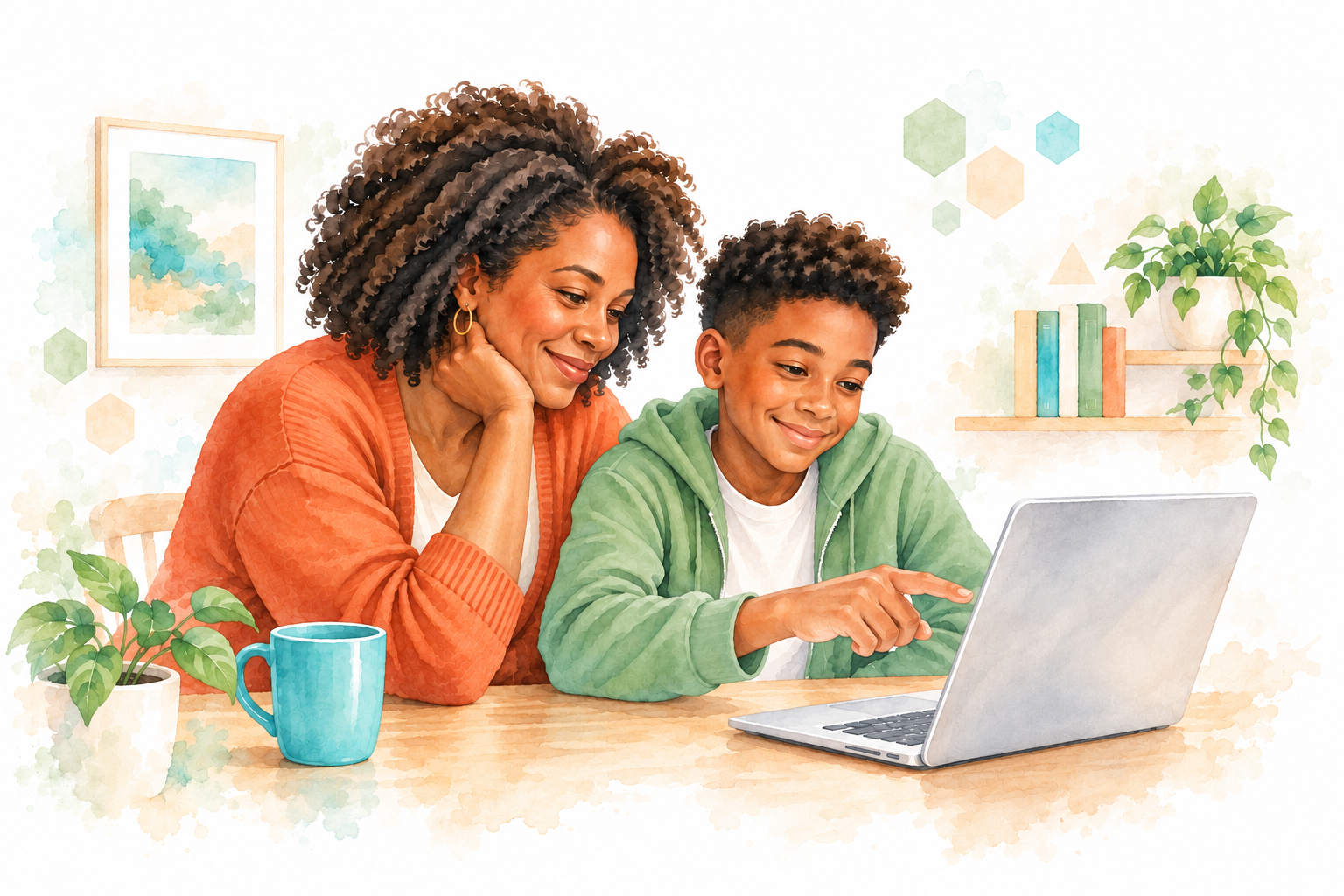

“How is school going?” It is a familiar question at dinner tables everywhere. The answer, just as often, is “Fine.”
Families want to understand what their children are learning, where they are succeeding, and when they might need help. Schools want engaged partners who can reinforce learning and provide context that a classroom may not reveal. Yet communication too often arrives as a rush of notices, a difficult-to-interpret grade, or an urgent message after a concern has grown.
A stronger school-family partnership starts before something goes wrong.
From occasional updates to ongoing understanding
A report card is useful, but it is a snapshot. Between reporting periods, students develop new skills, face new challenges, and experience small victories. Families benefit when schools share meaningful progress along the way rather than expecting one document to do all the communicating.
This does not mean sending a notification every time a number changes. More communication is not necessarily better communication. The goal is timely, relevant information that helps families understand what matters and what they can do with it.
A short message about a newly mastered skill, a change in attendance, or an upcoming learning goal can open a conversation. The most effective updates explain the context rather than leave caregivers to decipher an isolated statistic.

Make progress understandable
Educational language can create an unnecessary barrier. “Approaching proficiency in evidence-based reasoning” may mean something to an educator, but a family may benefit more from an explanation: “Your child can make a clear claim and is practicing how to back it up with examples from reading.”
Clear language does not dilute rigorous learning. It makes the learning visible.
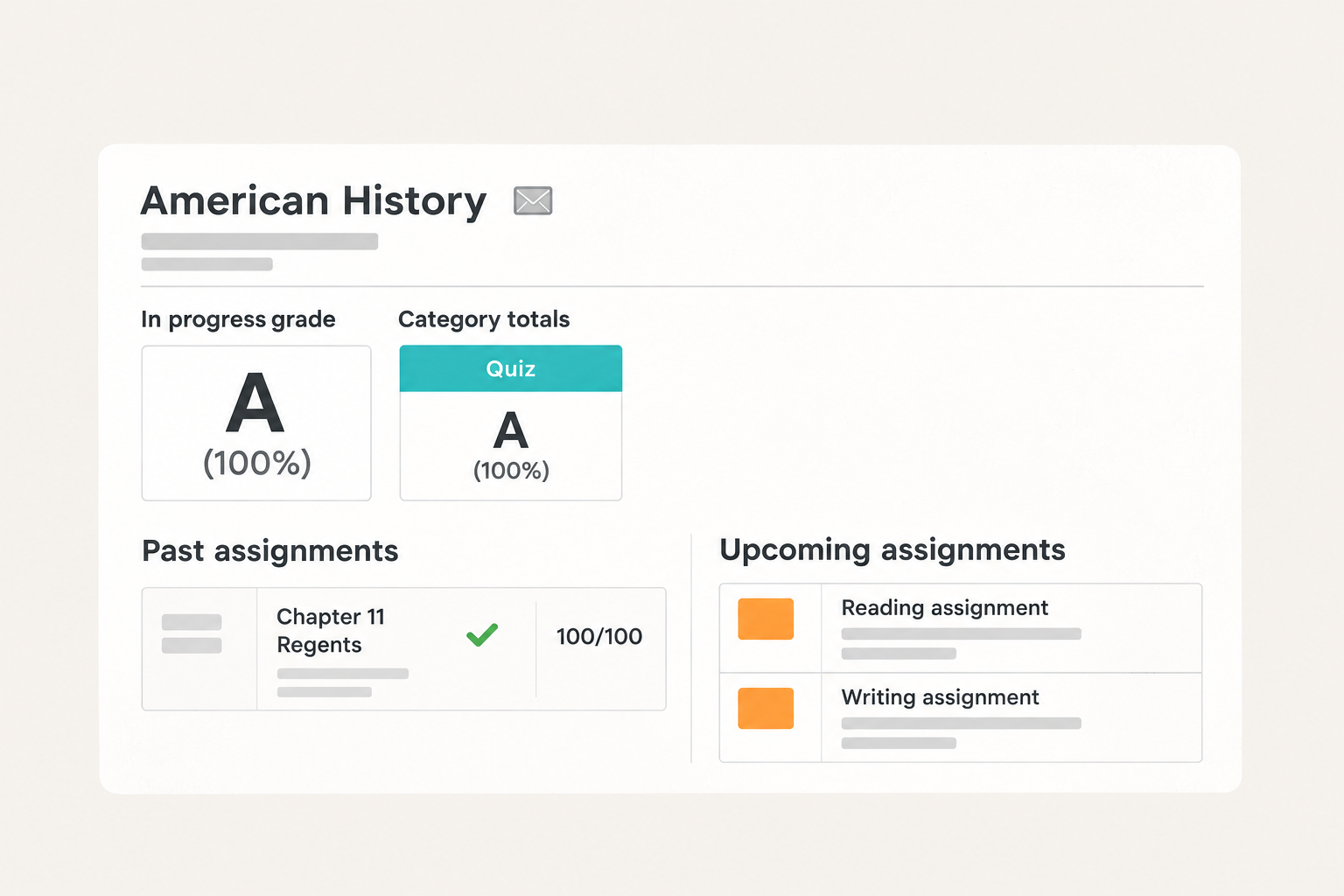
Schools can also pair grades with specific next steps: what the student can already do, what they are working on now, and what kind of encouragement or practice would help. When information is comprehensible, families can participate without needing to become experts in assessment terminology.
Build a two-way relationship
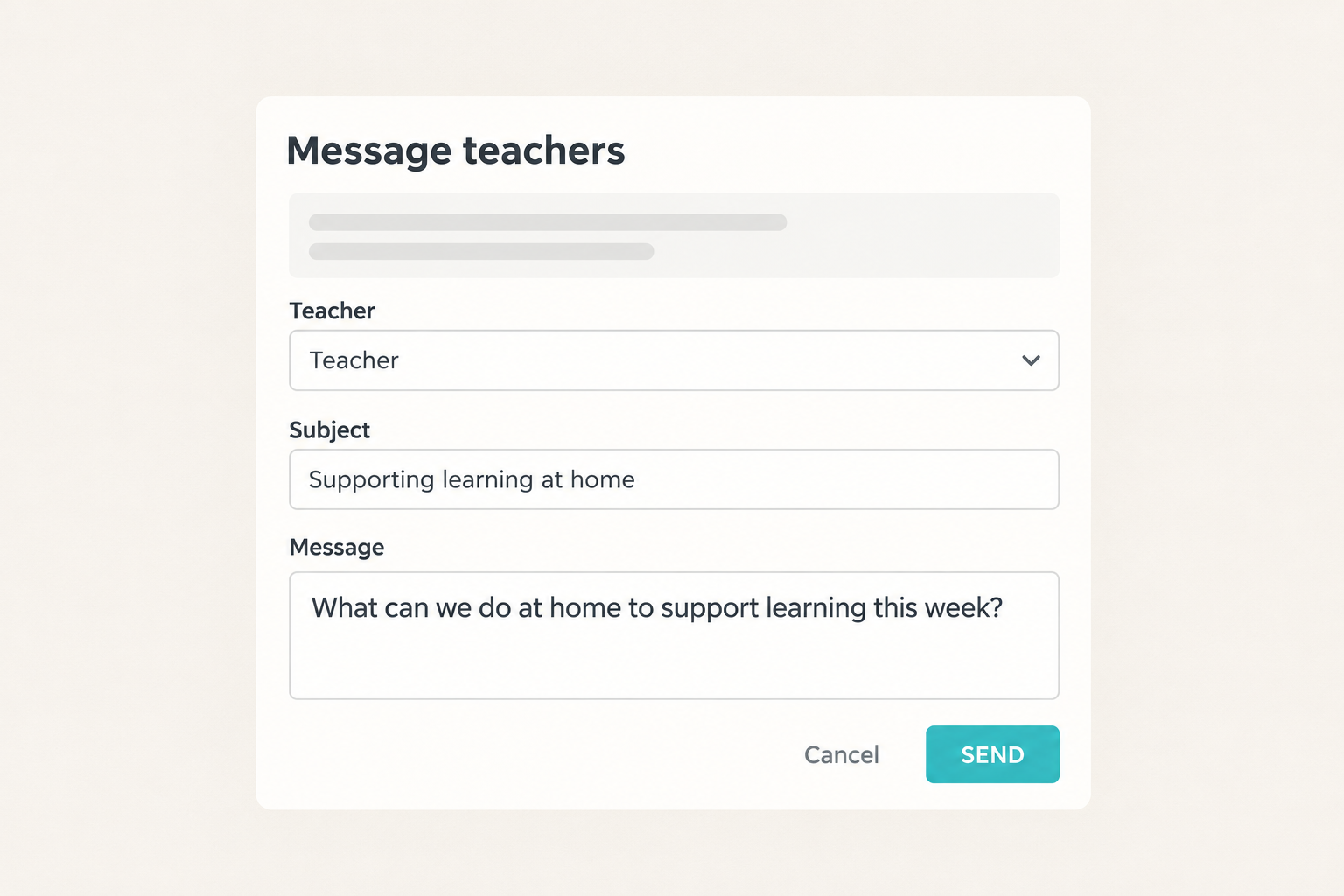
Communication should not be a one-direction stream from school to home. Families hold valuable knowledge about a child’s interests, needs, culture, and circumstances. The school may see a change in participation; a caregiver may explain a disrupted sleep schedule or a difficult transition. Both perspectives matter.
Simple opportunities to respond, ask questions, request clarification, and celebrate milestones transform a notification into a relationship.
Teachers also need boundaries and reasonable expectations. A healthy partnership does not require educators to be available around the clock. Clear response windows and established channels can support both access and sustainable workloads.
Design for every family
Not every caregiver uses the same language, has dependable internet access, or feels comfortable navigating a school portal. Some families share devices. Others balance multiple jobs or have limited time during conventional school hours.
Inclusive communication offers flexible routes: mobile-friendly information, translation where possible, accessible formats, and alternatives when digital communication is not practical. Schools should ask families what works rather than assume a single channel will reach everyone.
They should also protect privacy and be thoughtful about which adults are authorized to receive sensitive student information.
Celebrate the everyday, not just the exceptional
Families often hear from school when attendance declines or an assignment is missing. Those messages can be important. So are the messages that recognize improvement, persistence, kindness, and a breakthrough that may never appear as a dramatic jump in a grade.
Positive communication builds trust. And trust makes difficult conversations easier when they become necessary.
The partnership is the point
Technology can make information easier to share, but it cannot manufacture trust. That comes from consistency, respect, clarity, and genuine listening.
A strong school-family partnership does not ask caregivers to watch a dashboard more closely. It helps everyone feel better informed, more connected, and more capable of supporting the student at the center.
Give families a clearer window into learning
Alma’s family portal, communications tools, and access to attendance and academic progress can help schools keep caregivers informed and engaged. Explore how to make school-family communication easier and more meaningful. Schedule your free customized tour of Alma.
About Alma Technologies, Inc.
Alma is the connected education platform serving independent schools, charter schools, districts, and education organizations across the United States and around the world. Designed specifically for K-12 education, Alma brings together student information, teaching and learning, enrollment, communications, payments, analytics, human-centered AI, and more within one intuitive platform. Designed to master the complexity of organizations of every size, Alma connects the full K-12 data journey, from student to state. Alma supports education organizations serving more than six million students.